Is Freezer Paper Oven-Safe? Understanding the Heat Danger
This post contains affiliate links. As an Amazon Associate, we earn from qualifying purchases.
Freezer paper cannot go in a conventional oven or microwave. Its polyethylene plastic coating melts at temperatures above 180°F (82°C), and the paper base can ignite around 400°F (204°C). This creates a direct fire hazard and risks chemical contamination of your food.
That plastic coating is the whole point of freezer paper. It seals out air and locks in moisture for frozen storage. Heat turns that strength into a liability. The German Federal Institute for Risk Assessment (BfR) sets the ceiling for paperboard in microwave ovens at 150°C (302°F), a temperature most conventional ovens blow past in the first five minutes of preheating.
What follows: the exact temperature where polyethylene fails, the one type of paperboard that is oven-safe and how to spot it, and the safe swap for every common kitchen reheating job.
Key Takeaways
- Freezer paper’s polyethylene coating melts between 180–212°F (82–100°C). An oven at 350°F (177°C) is guaranteed to warp it and release fumes.
- The paper base is untreated kraft. It will scorch, smoke, and can ignite around 400°F (204°C), per fire safety experts.
- True oven-safe paperboard exists, like Graphic Packaging’s Fortress PET, rated to 400°F for up to 60 minutes with a food load. It has a polyester coating, not polyethylene.
- For reheating frozen foods, transfer them to an oven-safe dish like a CPET pan, ceramic plate, or on a baking sheet. Never put the paper-wrapped package straight in.
- If a recipe calls for a parchment paper liner, use actual parchment paper. Wax paper and freezer paper are non-starters for heat.
The Short Answer: No, Never in a Hot Oven
The plastic side of freezer paper is polyethylene (PE). According to the Pactiv Evergreen product temperature chart, polyethylene-coated paper has a maximum use temperature of 180°F (82°C). A standard oven set to 350°F (177°C) is almost double that limit.
Common mistake: Assuming the paper side can handle the heat if the plastic melts away. The untreated kraft paper underneath has no thermal rating for baking. It’s just paper, and paper burns.
Fire safety experts put the auto-ignition point of cardboard (a heavier paperboard) around 400°F. Your oven’s heating element runs much hotter than the air inside the cavity. A piece of paper touching that element, or even floating onto it from convection currents, can flash ignite.
The YouTube transcript advice is blunt for a reason: “freezer paper has a coating on it… that is polyethylene. Polyethylene is not something you want to release into your food when you cook.” The coating doesn’t just melt into a puddle; it can vaporize and deposit onto your oven walls and your food.
What Actually Happens at 180, 350, and 400 Degrees
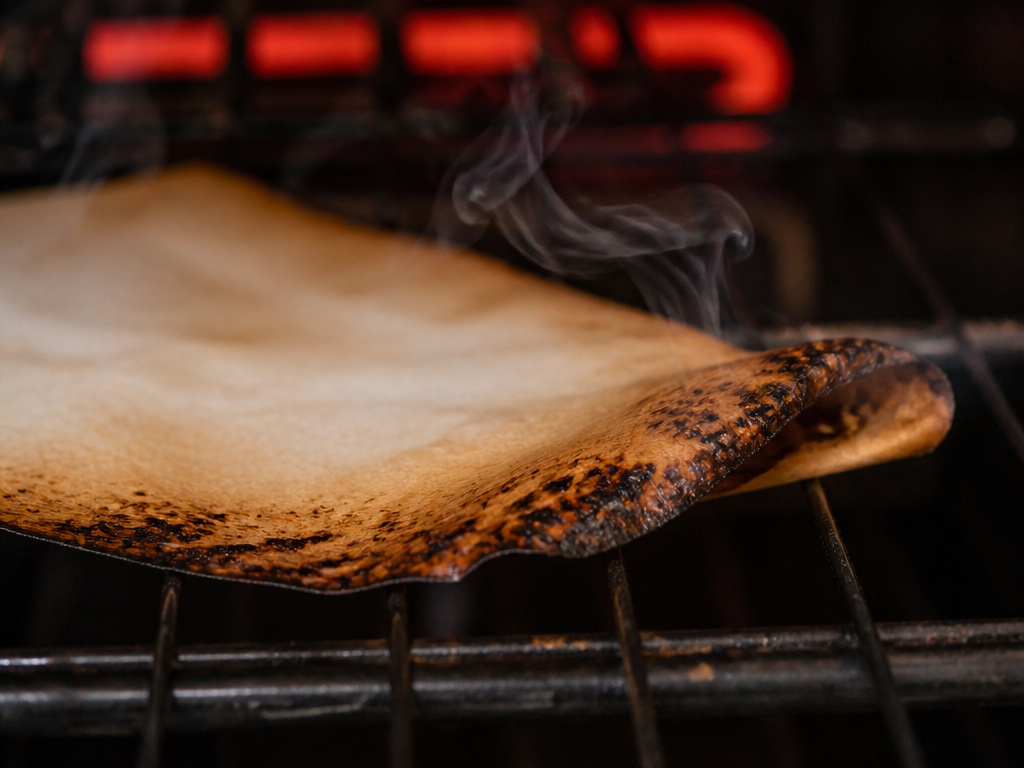
You need three numbers, not one. The plastic fails first, the paper fails next, and the real hazard is the gap between them.
| Temperature | What Happens to Freezer Paper | Timeline |
|---|---|---|
| 180°F (82°C) | Polyethylene coating begins to soften and warp. | Within 2–3 minutes of exposure. |
| 212°F (100°C) | Coating fully liquefies, can drip. Paper becomes saturated with melted plastic. | 5–10 minutes. |
| 350°F (177°C) | Paper scorches, browns, and smokes. Plastic coating emits volatile organic compounds (VOCs). | Under 5 minutes. |
| 400°F (204°C) | Paper can ignite, especially if near a heating element or if grease-soaked. | Instant to 30 seconds. |
The FPI ovenable packaging guidance notes that for a material to be considered oven-safe, it must withstand “no load” testing at the target temperature, meaning an empty container in a dry oven. Freezer paper fails this test at any common baking temperature.
The smoke point is the real danger. You might smell burning plastic before you see smoke. That’s the polyethylene breaking down. Ventilate the kitchen immediately and turn off the oven. Do not open the door fully, a rush of oxygen can turn smoldering into flames.
What’s the Difference Between Freezer Paper and Oven-Safe Paperboard?
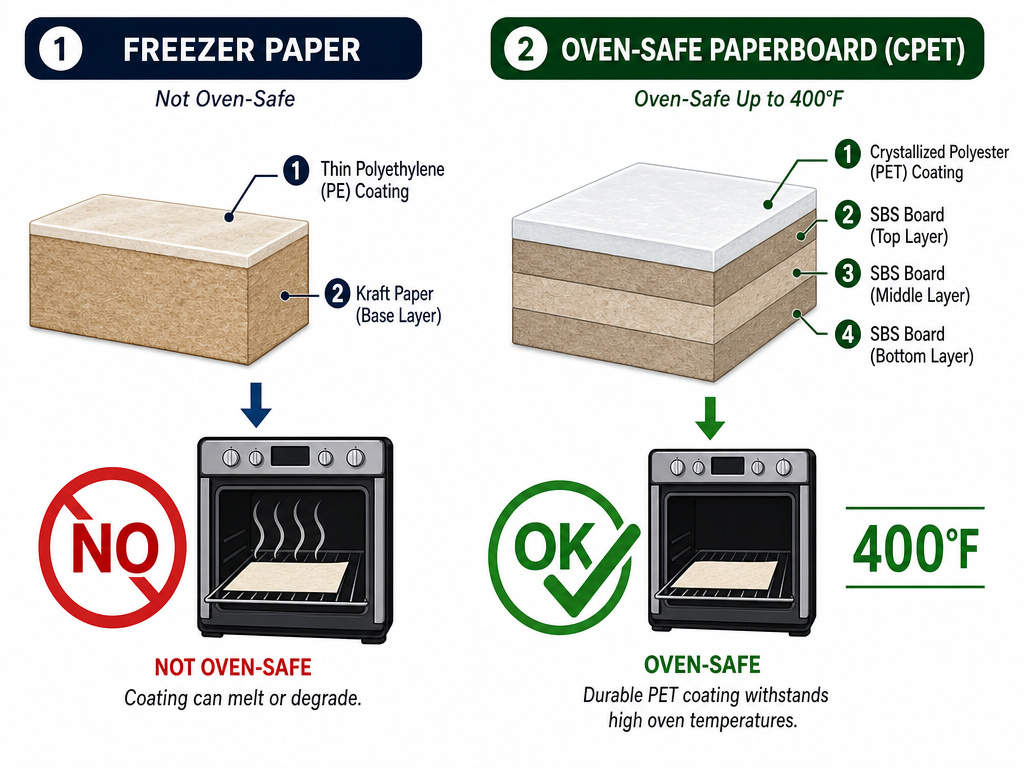
They look similar on a grocery store shelf. The difference is in the coating and the board’s construction.
Freezer Paper is a single layer of kraft paper with a thin polyethylene extrusion on one side. It’s designed for cold, wet environments. The coating provides a moisture barrier, but it has no thermal stability. The paper itself is not food-grade beyond its basic pulp, it’s meant to be a wrapper, not a cooking vessel.
Oven-Safe Paperboard, like Graphic Packaging Fortress PET, is a different material entirely. It uses a solid bleached sulfate (SBS) board coated with a crystallized polyester (PET). This isn’t a sprayed-on layer; it’s extruded and heat-set to bond with the board. The FPI ovenable packaging guidance calls out this distinction: qualification depends on the material (aluminum, paper, coated paper, plastic) and the specific coating chemistry.
Fortress PET is rated for 400°F for 60 minutes with a full food load, and 30 minutes empty. That “with a load” clause matters, the food acts as a heat sink, protecting the container. A frozen lasagna in a CPET tray is fine. An empty tray of the same material is at risk after half an hour.
You can’t see the difference, so you have to read the label. Look for “oven-safe,” “CPET,” or “can go from freezer to oven.” If it doesn’t explicitly say that, assume it’s plain paperboard or polyethylene-coated.
The One Safe Reheating Method (And Three That Aren’t)
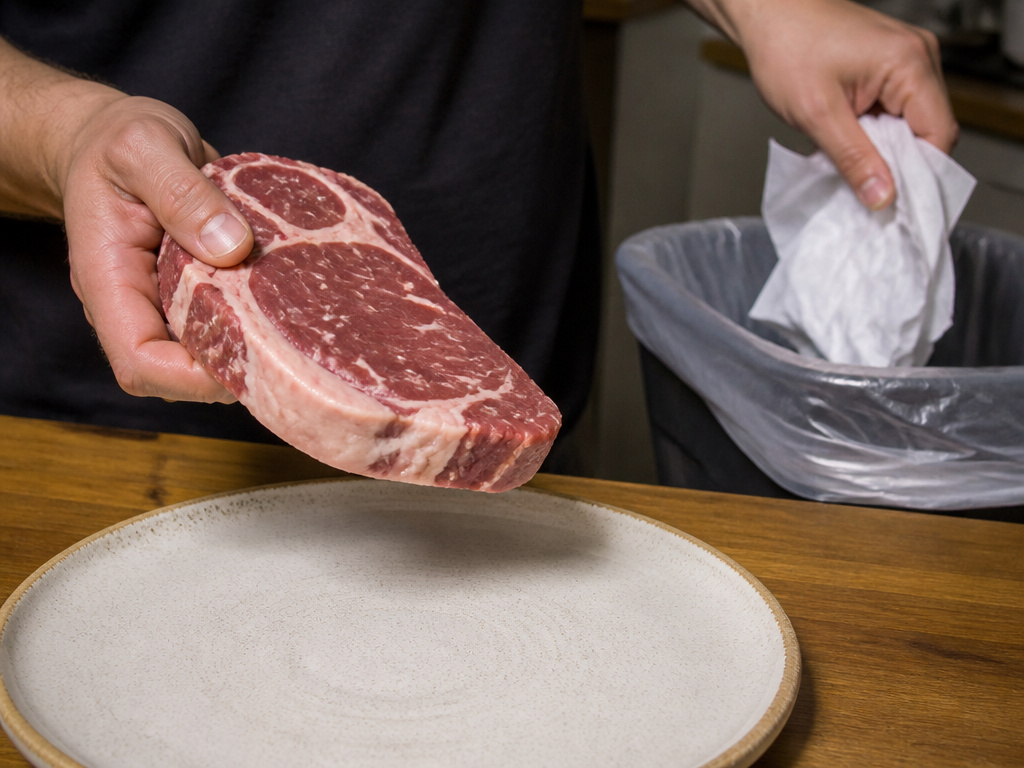
You have a frozen steak wrapped in freezer paper. The goal is to get it hot without starting a fire or poisoning your dinner.
Do This: Thaw the package in the refrigerator overnight. Remove the food, discard the paper, and place the food on an oven-safe dish, a Genpak CPET pan, a ceramic plate, or a baking sheet. Reheat according to your recipe.
Where this goes sideways: Trying to speed-thaw in a warm oven. Even at a “low” 170°F, the plastic coating will melt onto your steak and the paper will stick. You’ll spend longer scraping and cleaning than if you’d just planned ahead.
Not This 1: The Microwave
The plastic can still warp and melt in a microwave, especially if the food has high-fat content that gets very hot. Microwaves heat the water molecules in the food, which then heats the packaging from the inside. The MU Extension freezing guide is clear: always transfer food to a microwave-safe container.
Not This 2: The Toaster Oven
These are even more dangerous. The heating elements are exposed and closer to the rack. A piece of floating paper or a melting plastic drip has a direct path to ignition.
Not This 3: The “Protective Sheet” Hack
Some crafters suggest putting a layer of aluminum foil or parchment paper between the freezer paper and the heat. This might block direct scorching, but it does nothing to stop the polyethylene from melting inside the packet. You’ll have a gooey, contaminated mess sealed in foil.
Parchment, Wax Paper, Butcher Paper: Which One Can Take the Heat?
Your counter might hold four white rolls. Only one is meant for the oven.
| Material | Coating | Max Oven Temp | Best Use |
|---|---|---|---|
| Parchment Paper | Silicone | 420–450°F | Baking, roasting, lining pans. |
| Wax Paper | Paraffin or soybean wax | 200–250°F (wax melts) | Cold prep, wrapping sandwiches. |
| Freezer Paper | Polyethylene (PE) | 180°F (plastic melts) | Freezing only. |
| Butcher Paper | None (sometimes waxed) | Varies; unwaxed can brown at 350°F+ | Smoking meats, wrapping briskets (high moisture, low direct heat). |
Parchment paper is your heat-safe liner. Its silicone coating is non-stick and thermally stable. It’s the default for cookies and roasted vegetables.
Wax paper is for room-temperature tasks or very low-heat applications like melting chocolate in a double boiler. The wax melts into your food at oven temperatures.
Butcher paper is a wildcard. Pink butcher paper (uncoated) is used in BBQ because it’s breathable, it lets smoke in and moisture out. It can handle the 250–275°F of a smoker for hours because the heat is indirect and moist. It would burn in a 400°F dry oven in minutes. Waxed butcher paper has the same limits as wax paper.
The rule is simple: if the label doesn’t say “oven-safe” or “parchment,” it doesn’t go in the oven.
How to Read a Frozen Meal Package (And What to Do With It)
Frozen pizzas, lasagnas, and pot pies come in a confusing array of boxes, trays, and films. Here’s the decoder.
Cardboard Box: Never. This is purely for shipping and marketing. The ink and adhesives aren’t food-safe at high heat. Always remove the food from the box.
CPET Tray (Crystallized Polyethylene Terephthalate): This is the black, rigid plastic tray many frozen meals use. It’s oven-safe. Genpak’s instructions are explicit: preheat to no more than 400°F, always place the tray on an aluminum cookie sheet on the center rack, and always remove the lid. The tray can go from freezer to oven, but the lid cannot.
Paperboard Sleeve (like Fortress PET): If it says “oven-safe” or “can be microwaved or baked,” it’s likely a polyester-coated board like Fortress. You can cook directly in it. If it doesn’t say that, assume it’s not safe.
Plastic Film Cover: This is almost always low-density polyethylene (LDPE), which has a melting point around 195°F (91°C). You must remove it before any heating.
Worth knowing before you start: Those “cook in bag” pouches for vegetables or fish are made from a different, heat-stable nylon or polyester laminate. They are the exception, not the rule. The packaging will explicitly say “oven-safe” or “microwave-safe.” If it doesn’t, take the food out.
Your move is always the same: read the instructions on the package verbatim. If it says “remove packaging before heating,” do it. If it says “place tray on a baking sheet,” do it. This isn’t corporate legalese; it’s the result of the thermal stability testing protocol that qualified that specific container for that specific use.
What to Use Instead for Every Common Task
You need to reheat, bake, or freeze. Here’s the right tool.
- Reheating leftovers still in freezer paper: Thaw in the fridge. Unwrap. Use a microwave-safe plate or an oven-safe glass or ceramic dish.
- Baking cookies or roasting vegetables: Parchment paper lines the sheet. Nothing else.
- Freezing meat for long-term storage: Freezer paper is perfect here. Wrap tight, plastic side in, and seal with tape. For an extra barrier, place the wrapped package inside a freezer bag.
- Making a frozen casserole to bake later: Assemble in an aluminum or CPET pan. Cover with a layer of plastic wrap, then overwrap with freezer paper or foil. To bake, remove all wrapping, cover with foil, and bake from frozen, adding extra time.
- Quick thawing of a frozen item: Use cold water in the sink, still in its freezer paper. The plastic coating is waterproof. Change the water every 30 minutes. Once thawed, unwrap.
The takeaway isn’t that freezer paper is bad. It’s excellent at its one job: keeping frozen food from getting freezer burn. Its failure in the oven is a feature, not a bug, the same coating that blocks moisture and air is thermally unstable. Respect the design.
Frequently Asked Questions
Is freezer paper microwave safe?
No. While the microwave heats food, not the container directly, the plastic coating can still warp or melt from the heat of the food. Fatty foods like sausages or buttery vegetables get especially hot. Always transfer food to a microwave-safe dish.
Can you put freezer paper in the oven at a very low temperature, like 170°F?
Technically, yes, but it’s a pointless risk. At 170°F, the polyethylene coating is at its absolute limit and will soften. The food won’t cook effectively at that low a temperature anyway. You’re better off using the correct tool: a covered oven-safe dish.
What about using freezer paper for crafts in the oven?
Do not use it for any oven-based craft, like drying clay or melting embossing powder. The same melting and fire hazards apply. Use parchment paper for these applications, it’s designed for dry heat.
I accidentally baked something wrapped in freezer paper. Is the food safe to eat?
Discard the food. If the plastic melted, it likely contaminated the food with polyethylene compounds. If the paper charred or smoked, those combustion byproducts are also present. The cost of the meal isn’t worth the potential health risk.
Are there any brands of freezer paper that are oven-safe?
No. “Freezer paper” as a category is defined by its polyethylene coating for cold storage. Any product marketed as “oven-safe paperboard” or “CPET” is a different product altogether, even if it comes on a roll.
The Bottom Line
Freezer paper and ovens don’t mix. The material fails structurally at 180°F and becomes a fire hazard by 400°F. The safe swap is always the same: move your food to an oven-safe vessel.
Keep freezer paper for its intended job, wrapping meat for the freezer, and reach for parchment paper when the oven is on. That single switch covers every reheating and baking task safely. Your kitchen will smell like dinner, not melting plastic.
