How to Store Tomatoes to Avoid Mealy Texture & Boost Ripening
This post contains affiliate links. As an Amazon Associate, we earn from qualifying purchases.
To store tomatoes correctly, you match their ripeness stage to the right temperature. Keep unripe and ripe tomatoes at 65–70°F (room temperature). Refrigerate only fully ripe tomatoes you can’t eat within 2–3 days, or use the fridge to pause ripening at the “breaker-stage” — when the first blush of color appears. Refrigeration below 50°F causes chilling injury: pitting, decay, and a permanent mealy texture.
That 50°F threshold isn’t a suggestion. It’s a biological line. Tomato cell walls break down under sustained cold, and the starch-to-sugar conversion that builds flavor stops dead. You get a tomato that looks fine but tastes like wet cardboard and feels gritty. The fridge is for slowing rot on a ripe tomato you’ve already lost the race to eat, not for preserving quality.
What follows: the two-temperature rule, the ripening accelerators and brakes, and the right way to handle a surplus without turning your harvest into mush.
Key Takeaways
- Refrigeration causes mealiness. Temperatures below 50°F damage cell structure. A tomato chilled for more than a day or two will be mealy forever, even if you bring it back to room temp.
- The “breaker-stage” is your pause button. A tomato with the first hint of color (pink, yellow, or red) can be refrigerated to halt ripening for a week. Pull it out to finish ripening at room temperature.
- Ethylene gas is the ripening trigger. Confine tomatoes in a paper bag or place a ripe banana nearby to concentrate this natural gas and speed ripening by 1–2 days.
- Never wash before storage. Water on the skin invites mold and speeds decay. Wash only immediately before you slice.
- Green tomatoes won’t ripen off the vine if picked solid green. Use them for frying or relish. Only tomatoes that have started to color (“mature green”) will continue to ripen after picking.
The Room Temperature vs. Refrigerator Decision
This isn’t about preference. It’s about plant physiology. A tomato is a living, breathing fruit that continues to metabolize after it’s picked. The rate of that metabolism is controlled by one thing: temperature.
Store tomatoes at 65–70°F for 4–7 days. Partially ripe tomatoes can be ripened in a paper bag at room temperature out of direct sunlight. Do not refrigerate unripe tomatoes due to flavor loss and becoming overly soft. — University of Wisconsin-Madison Extension, A3823 storage guide
Room temperature (65–70°F) is the tomato’s active zone. Enzymes work, acids mellow, starches turn to sugars, and ethylene gas production ramps up. This is where flavor develops. The refrigerator (35–40°F) is a trauma zone. It shocks the system.
Chilling injury is the specific damage. It manifests as pitting (small sunken spots) and a higher susceptibility to decay. More insidiously, it ruptures the cell walls inside the flesh. When you bite into a refrigerated tomato, those ruptured cells release their water and solids separately — that’s the mealy, grainy texture. It is not reversible.
So when does the fridge win? In two specific scenarios, and only as a last resort.
| Scenario | Store Where? | Why & For How Long |
|---|---|---|
| Unripe (solid green) | Counter, 65–70°F | Will not ripen in fridge. Can take 14–28 days at room temp. |
| Breaker-stage (first color) | Fridge, then counter | Fridge pauses ripening for ~1 week. Finish on counter for 2–3 days. |
| Fully ripe, need to eat soon | Counter, 65–70°F | Peak flavor & texture. Eat within 2–3 days. |
| Fully ripe, surplus | Fridge | Last resort to slow spoilage. Use within 2–3 weeks, accept texture loss. |
| Cut or peeled | Fridge in airtight container | Safety first. Use within 3 days. |
The breaker-stage is your most powerful tool. A tomato that has just started to turn color at the blossom end is producing ethylene but can still handle cold. According to Texas A&M AgriLife Extension, refrigerating at this point halts the process. You can stockpile them, pull out a few at a time, and let them ripen on the counter over several days. This is how you manage a glut from the garden.
Where this goes sideways: Putting a perfectly ripe, fragrant tomato straight into the fridge. You trade two weeks of potential storage for a lifetime of bland, grainy flesh. If you can’t eat it in three days, cook or freeze it instead.
For everyday storing food, the principle is the same: match the biology of the item to its environment. Tomatoes are not onions. The common mistake is to treat them like one.
How to Set Up Your Counter for Success
Air circulation and separation are non-negotiable. A single moldy tomato can release spores that take down the whole bunch in a crowded bowl.
- Find a cool, dark spot. Not next to the stove, oven, or kettle. Not in direct sunlight on a windowsill (that’s for speeding ripening). A pantry shelf or a corner of the counter away from appliances is ideal.
- Give them space. Store tomatoes stem-end up, smooth end down, with at least an inch between them. Use a wide plate or a shallow basket, not a deep bowl.
- Check daily. Give each tomato a gentle roll. Look for any soft spots, wrinkles, or mold starting at the stem scar. Use the ripest ones first.
- Never stack. The weight bruises the bottom tomato, creating a fast track for decay.
This method of storing fruit on the counter applies to peaches, avocados, and mangoes, too. They all need room to breathe.
The Paper Bag Ripening Trick (And When to Use It)
If your tomatoes are taking too long, you can nudge them. The tool is a paper bag.
The science is simple: tomatoes emit ethylene gas, a natural plant hormone that triggers ripening. Trapping that gas around the fruit by closing the bag concentrates it, speeding up the process. Adding a ripe banana or apple — both high ethylene producers — supercharges it.
Steps:
- Place the mature green or breaker-stage tomatoes in a single layer inside a standard paper lunch bag.
- For a faster result, add a ripe banana.
- Fold the top over loosely once or twice. Do not seal it airtight.
- Leave the bag at room temperature and check every 12 hours.
You’ll gain 1–2 days. This is far more effective and less risky than the viral “paper towel in a zip-top bag” method, which often creates a humid, mold-friendly environment.
Handling Green Tomatoes and Garden Surpluses
What about the end-of-season haul, when frost threatens and you have to pick dozens of green tomatoes? Not all will ripen.
Mature green tomatoes (full-sized, glossy, maybe with a whitish star at the blossom end) have started internal chemical changes. They will ripen off the vine. According to Clemson University Extension, at 65–70°F they’ll reach eating stage in about 14 days. At 55°F, it takes 25–28 days.
Immature green tomatoes (small, dull, hard) will not ripen. Their enzyme pathways haven’t activated. These are for frying, chutney, or relish.
For your surplus of ripe tomatoes, you have three real paths, all better than the fridge:
- Cook and freeze. Turn them into sauce, soup, or roasted wedges and freeze. This is the best quality keeper.
- Can them. Follow a tested, safe recipe from the National Center for Home Food Preservation for preserving tomatoes.
- Freeze them raw. For future cooking only. Wash, dry, core, and freeze whole on a tray before bagging. They’ll be mushy when thawed but fine for sauce.
For smaller fruits, like a basket of cherry tomatoes, the same rules apply. You can learn specific techniques for freezing cherry tomatoes to keep them ready for pastas and salads.
What About Cut Tomatoes, Sun-Dried, and Other Forms?
Once the skin is broken, the rules change. Safety becomes the priority.
Cut or peeled tomatoes must be refrigerated. The USDA and Health Canada advise using them within three days. Discard any that have sat at room temperature for more than two hours. Store in a clean, airtight container.
Sun-dried tomatoes are a different category. If oil-packed, keep them in the fridge after opening. If completely dry, store in an airtight container in a cool, dark pantry. Proper storage for sun-dried tomatoes prevents them from becoming tough or rancid.
This highlights a core principle of food storage: processing changes the rules. A whole tomato and a diced tomato are not the same food.
Common Myths Debunked
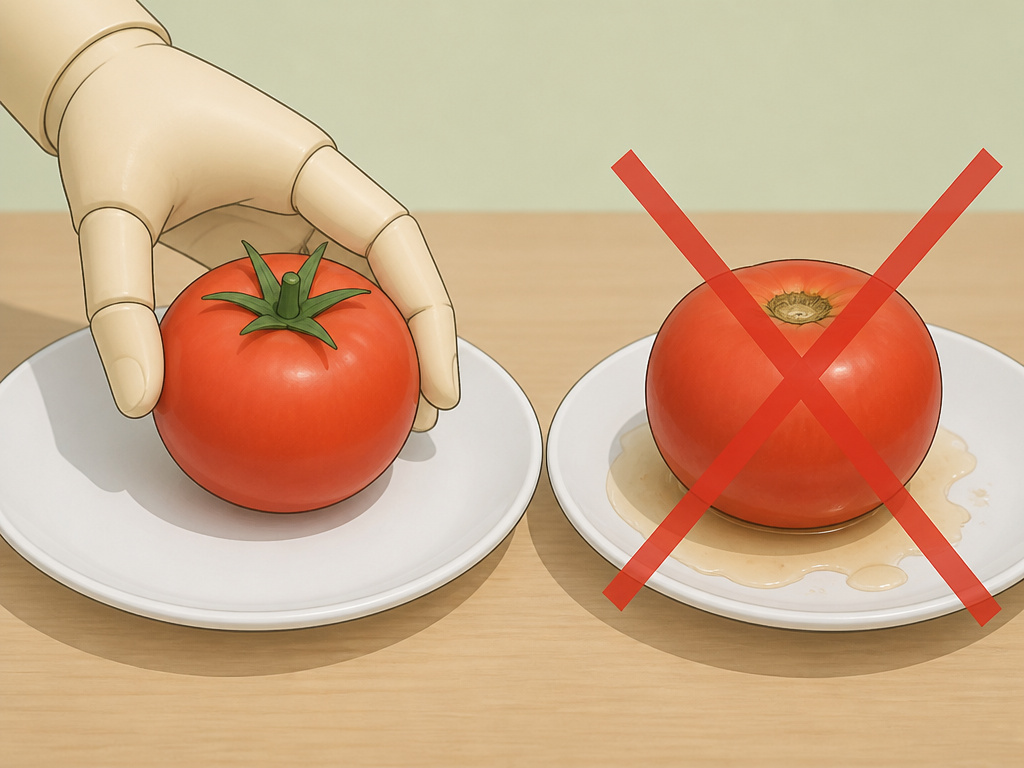
A few persistent storage myths waste more tomatoes than they save.
Myth: “Store tomatoes upside down to prevent mold.”
- Reality: Mold typically enters through the stem scar or bruises. Storing stem-end up keeps the delicate scar away from moisture on the plate. Upside-down offers no proven benefit and can bruise the softer blossom end.
Myth: “The paper towel in a zip-top bag method keeps them fresh for a month.”
- Reality: This creates a sealed, humid environment. While the towel absorbs some condensation, it often leads to uneven ripening and hidden mold. University extensions like the one from Ohio State University recommend perforated plastic bags if you must bag, to allow gas exchange without excess moisture.
Myth: “You should wash all produce as soon as you get home.”
- Reality: A direct warning from the Ohio State University tomato factsheet: “Do not use soap, detergent, or bleach because these liquids absorb into the vegetable.” Water itself shortens shelf life. Wash tomatoes under cool running water immediately before eating.
Myth: “Refrigeration doesn’t hurt flavor, it’s all in your head.”
- Reality: It’s in the chemistry. The University of Wisconsin garden storage guide lists tomatoes as susceptible to chilling injury below 50°F, with symptoms of pitting and decay. The flavor compounds (sugars, volatile aromatics) simply stop developing in the cold.
Frequently Asked Questions
Can you ripen tomatoes in the window?
No. Direct sunlight overheats the tomato, causing uneven ripening, poor color development, and a higher chance of decay. Light is not needed for ripening; warmth and ethylene gas are. Use a counter spot away from the window.
How long do tomatoes last in the fridge?
If fully ripe, they can be kept 2–3 weeks before spoiling, but quality degrades dramatically after the first few days. For breaker-stage tomatoes, they can be held for about a week to pause ripening before being moved to the counter.
Why are my refrigerated tomatoes mealy?
Chilling injury. Temperatures below 50°F damage cell walls. When you bite or cut into the tomato, these ruptured cells release their contents unevenly, creating a grainy, watery texture. It is a permanent physical change.
What’s the best way to store tomatoes from the garden?
Harvest at the breaker-stage for maximum flexibility. Let them finish ripening on the counter at 65–70°F, spaced apart. Eat ripe ones within 3 days. For a surplus, use the breaker-stage pause method or process them via freezing tomatoes or canning.
Do tomatoes make other produce ripen faster?
Yes. Tomatoes produce ethylene gas. Storing them next to ethylene-sensitive items (like lettuce, cucumbers, or broccoli) in a closed space will cause those items to yellow, wilt, or spoil faster. Keep tomatoes separate from most other vegetables.
The Bottom Line
Store tomatoes like the living fruit they are. The counter is their home. The fridge is an emergency brake for ripe tomatoes you’ve already lost or a pause button for those just starting to turn.
Your goal is to eat them at peak flavor, not just to prevent rot. When you have more than you can eat, that’s the signal to cook, not to chill. Turning a surplus into sauce or freezing tomatoes in bags saves the flavor that cold storage destroys.
For other pantry staples, the same mindful approach applies. Learn the rules for storing onions (cool and dry, not next to potatoes) and storing potatoes (dark and cool, not in the fridge) to keep your whole kitchen functioning. It all comes back to respecting what the food actually needs.
