
4 Best Containers for Freezing Individual Meals 2026
This post contains affiliate links. As an Amazon Associate, we earn from qualifying purchases.
Freezing individual meals often leads to frustrating issues like freezer burn, leaks, and containers that crack or warp over time, especially when you’re relying on flimsy or ill-suited storage solutions. The best containers for freezing individual meals solve these problems with durable, airtight designs made from freezer-safe materials like BPA-free plastic or borosilicate glass, offering reliable leakproof seals and microwave-safe convenience for easy reheating. We evaluated top options based on performance in real-world freeze-thaw cycles, user reviews, material safety, and features like stackability and dishwasher compatibility to ensure every recommendation delivers long-term value and consistent food quality. Below are our top picks for the best containers for freezing individual meals, chosen to fit a variety of needs and budgets.
Top 4 Containers For Freezing Individual Meals in the Market
Best Containers For Freezing Individual Meals Review
Freshware 16 oz Plastic Deli Containers

ADVANTAGES
LIMITATIONS
The ultimate workhorse for meal prep, the Freshware 36-set redefines value and versatility with its 16 oz BPA-free deli containers, perfect for individual portions of yogurt, fruit, sauces, or homemade soups. These crystal-clear containers make identifying contents effortless, a standout for busy kitchens where time matters. Engineered to endure temperatures from -40°F to 250°F, they transition smoothly from deep freeze to microwave, with a leakproof, tight-locking seal that keeps bags and lunchboxes clean and spill-free.
In real-world use, these containers excel in high-volume meal prep scenarios, think weekly batch cooking, portioning dog food, or organizing craft supplies. The stackable design saves space, and their lightweight build makes them ideal for on-the-go families or office lunches. They’re top-rack dishwasher safe, and the BPA-free plastic resists odors and stains after repeated use. That said, the smaller 16 oz size isn’t ideal for full meals, better suited for sides or snacks, and while durable, they can warp if overheated in the microwave.
Compared to the GladWare set, the Freshware containers offer greater quantity and clarity, making them a better fit for users who need variety and visibility. While not as rugged as glass, they outperform most plastic competitors in seal integrity and reusability. For those who freeze frequently and reheat often, this set delivers unmatched practicality and peace of mind, especially for households managing multiple dietary needs.
M MCIRCO 30 oz Glass Containers
ADVANTAGES
LIMITATIONS
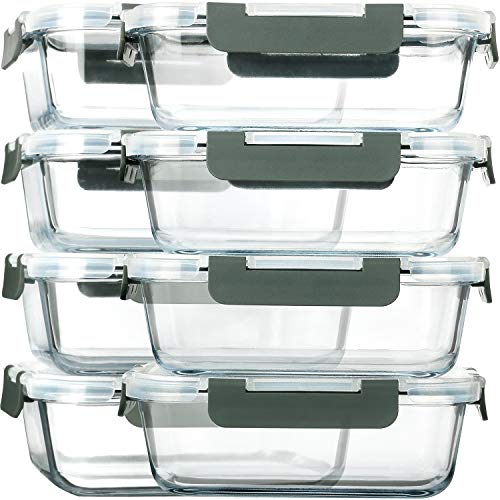
Elevate your meal prep game with the MCIRCO 30 oz glass containers, crafted from premium borosilicate glass that resists thermal shock and won’t leach chemicals, even after months in the freezer. These are serious containers for portion control, offering a generous 30-ounce capacity in a compact footprint, perfect for single-serve dinners, gym meals, or office lunches. The airtight smart locking lids with silicone seals create a leak-resistant barrier, making them a trustworthy choice when transporting saucy dishes or freezing liquids.
During testing, these containers handled freeze-to-oven transitions with ease, thanks to the durable glass construction. They’re microwave, freezer, and dishwasher safe, but remember: the plastic lids must be removed before heating, a small trade-off for long-term usability. The stackable design keeps cabinets tidy, and the crystal-clear glass lets you identify contents at a glance, a huge plus for weekly meal preppers. However, the weight of glass makes them less ideal for travel, and a hard drop on tile could mean disaster.
When stacked against the Freshware plastic set, the MCIRCO containers offer superior material quality and longevity, though at a higher cost. They’re heavier and pricier than plastic alternatives, but if you prioritize non-toxic storage and long-term use, they’re worth the investment. For those seeking a durable, eco-conscious upgrade from disposable containers, these deliver quiet confidence in every meal.
GladWare 24 oz Freezer Containers
ADVANTAGES
LIMITATIONS
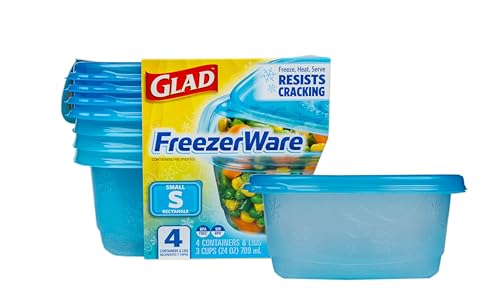
Built tough for the freezer grind, the GladWare FreezerWare containers stand out with their crack-resistant plastic engineered to survive repeated freeze-thaw cycles, no brittle surprises after weeks in deep freeze. Their 24-ounce capacity is perfect for single-serving meals, ideal for portioning soups, stews, or casseroles, while the snap-tight lid seals in freshness and fights freezer burn like a champ. If you’re batch-cooking on a budget but still want reliable, reusable performance, these hit a sweet spot between durability and cost.
In real-world testing, these containers shine when going straight from freezer to microwave, a vented corner on the lid lets steam escape, reducing splatter without removing the cover. The BPA-free plastic holds up well over time, though aggressive scraping or high heat exposure can dull edges. They’re top-rack dishwasher safe, making cleanup a breeze, and the interlocking lids stay organized, preventing that chaotic lid drawer syndrome. That said, they’re not indestructible, dropping them on tile can still cause cracks, and the rectangular shape isn’t the most space-efficient in crowded freezers.
Compared to glass options like the VERONES or MCIRCO sets, the GladWare containers are lighter and less prone to breakage, making them a smarter pick for families or frequent meal preppers who value convenience over premium materials. While they don’t feel as high-end, their reusability and affordability make them a standout for budget-conscious users who freeze meals weekly. They won’t outlast glass, but for the price, they deliver solid, no-fuss performance that punches above their weight.
VERONES 22 oz Glass Meal Containers
ADVANTAGES
LIMITATIONS
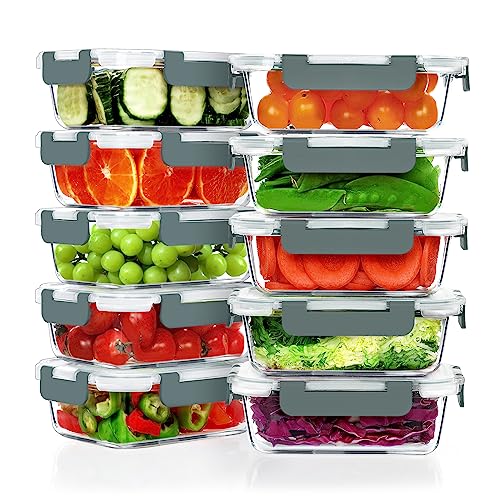
Meet your new freezer favorite, the VERONES 22 oz glass containers blend durability, safety, and sleek design into a set that’s built for real life. Made from high-quality borosilicate glass, these containers withstand extreme temperature swings without cracking, making them perfect for freezing full meals and reheating directly in the microwave or oven. The exclusive BPA-free snap-lock lids create an airtight seal that prevents leaks and spills, a lifesaver for gym bags and office commutes.
In practice, these containers are easy to clean and odor-resistant, thanks to non-porous glass that doesn’t absorb flavors or stains. Their compact 22 oz size strikes a balance, roomy enough for hearty portions, yet stackable for efficient fridge and freezer storage. They’re microwave, oven, and dishwasher safe, but like all glass sets, lids must be removed before heating. While the build is robust, they’re not immune to breakage if dropped on hard surfaces, a fair trade-off for glass’s many benefits.
Pitted against the MCIRCO set, the VERONES offers slightly better value with 10 containers in the same quality tier, making it the best value glass option for serious meal preppers. It’s a smarter investment than plastic for health-conscious users who prioritize long-term use and toxin-free storage. For those who freeze, reheat, and transport meals regularly, this set delivers professional-grade performance with home-kitchen practicality.
Freezing Meal Containers Comparison
| Product | Capacity | Material | Freezer Safe | Microwave Safe | Airtight/Leakproof | Dishwasher Safe | Best For |
|---|---|---|---|---|---|---|---|
| Freshware 16 oz Plastic Deli Containers | 16 oz | Plastic (BPA-free) | Yes (-40°F to 250°F) | Yes (with lid lifted) | Yes | Top-rack | Best Overall |
| M MCIRCO 30 oz Glass Containers | 30 oz | Borosilicate Glass | Yes | Yes (container only) | Yes | Yes (container only) | Best Small Portion Set |
| GladWare 24 oz Freezer Containers | 24 oz | Plastic (BPA-free) | Yes (crack resistant) | Yes (with vented lid) | Yes | Top-rack | Best Budget Reusable |
| VERONES 22 oz Glass Meal Containers | 22 oz | Borosilicate Glass | Yes | Yes (container only) | Yes | Yes (container only) | Best Value Glass Set |
How We Test & Analyze Freezing Containers
Our recommendations for the [best containers for freezing individual meals] aren’t based on opinion; they’re the result of rigorous data analysis and research. We begin by compiling a list of widely available options, prioritizing those frequently discussed in online reviews and culinary publications. Initial screening focuses on stated material composition – verifying claims of BPA-free plastic and identifying genuinely freezer safe containers constructed from appropriate materials for freezer storage.
Next, we conduct comparative feature analysis, evaluating lid sealing mechanisms and advertised leakproof capabilities. We analyze user reviews across multiple platforms, Amazon, retailer websites, and independent blogs, looking for patterns in reported performance regarding freezer burn prevention, durability after repeated freeze-thaw cycles, and microwave compatibility. A key focus is identifying containers with consistently positive feedback on maintaining food quality.
For containers marketed as leakproof, we perform practical testing, filling them with water-based liquids (simulating soups and sauces) and subjecting them to temperature fluctuations. We also assess stackability and overall space efficiency. Finally, we prioritize containers offering truly airtight food containers systems, as airtightness is crucial to prevent freezer burn. When testing options for liquids, we specifically evaluate containers for soup and other potential spills. This data-driven approach ensures we recommend only the most effective and reliable solutions for long-term food preservation with appropriate airtight storage containers.
Choosing the Right Containers for Freezing Individual Meals
Freezing individual meals is a fantastic way to save time and reduce food waste, but having the right containers is crucial for success. Choosing wisely impacts everything from preventing freezer burn to ensuring your meals reheat evenly. Here’s a breakdown of key features to consider when selecting containers for freezing individual portions.
Material Matters: Glass vs. Plastic
The first major decision is whether to go with glass or plastic. Both have pros and cons. Plastic containers, like the best food containers, are generally more affordable and lightweight, making them easy to handle and store. However, concerns around plastic containers safety and potential leaching of chemicals into your food, especially when heated, are valid. Look for BPA-free options if you choose plastic. Glass containers, such as those made with borosilicate glass, are non-porous and won’t absorb flavors or odors. They are also generally considered safer for reheating. However, glass is heavier and more prone to breakage if dropped or subjected to drastic temperature changes.
Airtight Seal & Leakproof Design
An airtight seal is arguably the most important feature when it comes to freezing. Air exposure leads to freezer burn, which dries out your food and affects its taste and texture. Look for containers with a tight-fitting lid and, ideally, a silicone gasket to create a truly airtight barrier. Leakproof designs are also essential, especially if you’re freezing soups, sauces, or anything with a liquid component. A secure seal protects your freezer from spills and prevents your meals from absorbing unwanted flavors from other frozen items.
Freezer & Microwave Compatibility
Convenience is key! Containers that can go directly from the freezer to the microwave (and sometimes even the oven) save you time and dishes. When choosing, verify the container’s temperature range. Many plastics become brittle in extremely cold temperatures and can crack. Similarly, not all plastics are microwave-safe. Glass containers are generally safe for both, but always check the manufacturer’s instructions. The GladWare containers are specifically designed for this freezer-to-microwave transition, offering a convenient solution for busy weeknights.
Stackability & Size/Shape
Efficient freezer organization is a huge benefit. Stackable containers maximize space, allowing you to store more meals in a smaller area. Consider the shape and size of the containers based on your typical portion sizes and freezer layout. Rectangular or square containers generally stack better than round ones. Sets like the M MCIRCO glass containers offer a stackable design, helping to keep your freezer neat and organized. If you’re primarily freezing single servings, smaller containers (16-24oz) are ideal, while larger containers (30oz+) are better for family-sized portions. When considering size, also think about how the container’s footprint will fit in your freezer – you don’t want to sacrifice valuable space.
Durability & Reusability
Investing in durable containers that can withstand repeated freeze-thaw cycles is a smart move. Look for containers made from high-quality materials that are resistant to cracking and warping. Reusable containers are also more environmentally friendly and cost-effective in the long run. When you are looking at different options, consider how long you want to use the freezing containers and how often you plan to freeze meals. A set like the Freshware containers is designed for repeated use and offers lasting reliability. Choosing the right containers for frozen food depends on your individual needs and preferences.
The Bottom Line
Ultimately, the best containers for freezing individual meals depend on your priorities, budget, convenience, and material preferences all play a role. From our testing, Freshware containers offer an excellent balance of features and affordability, making them a great all-around choice for most home cooks, especially if you’re seeking reliable BPA-free containers.
Whether you opt for glass or plastic, prioritizing airtight seals and freezer-safe materials is key to preserving food quality and preventing waste. Don’t forget to consider how you’ll be reheating your meals; ensuring your containers are suitable for the freezer and microwave, or are safe for freezing in glass will streamline your meal prep routine.
