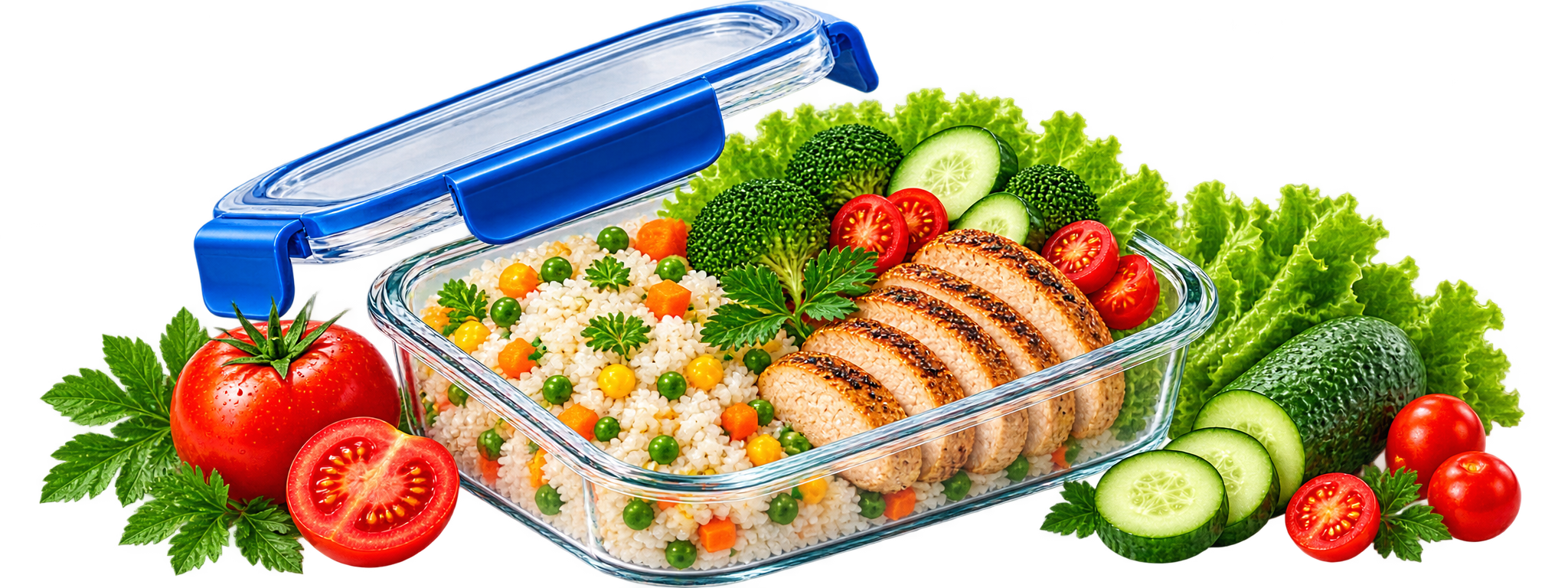
Freezer Safe Containers Guide: How to Prevent Cracks & Burn
Freezer-safe containers must meet material, seal, and headspace specs to stop cracks and freezer burn. Here’s how to pick the right ones.
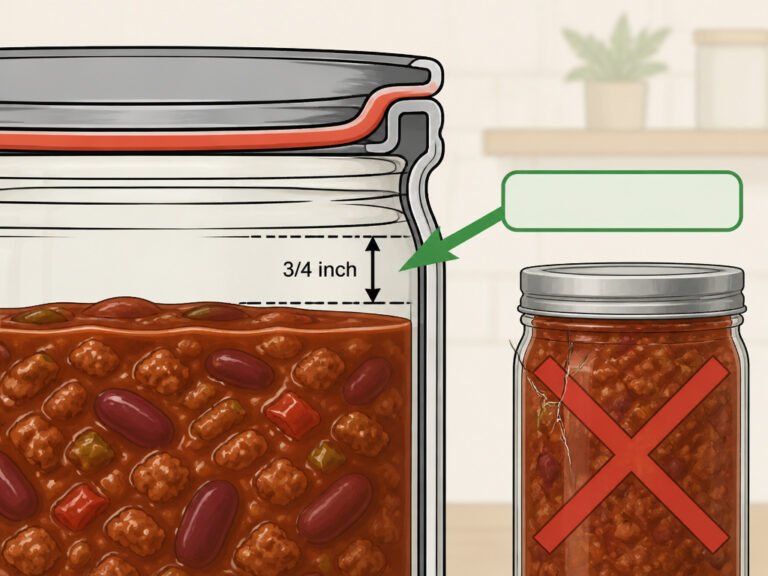
Freezer-safe containers must meet material, seal, and headspace specs to stop cracks and freezer burn. Here’s how to pick the right ones.
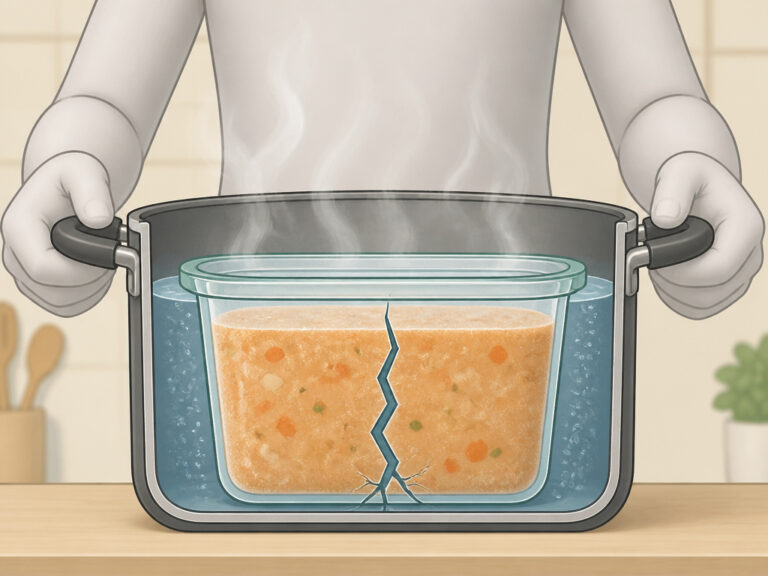
Discover how to safely freeze glass containers by mastering headspace, cooling, and material type. Prevent disasters with our proven tips. Learn more here!
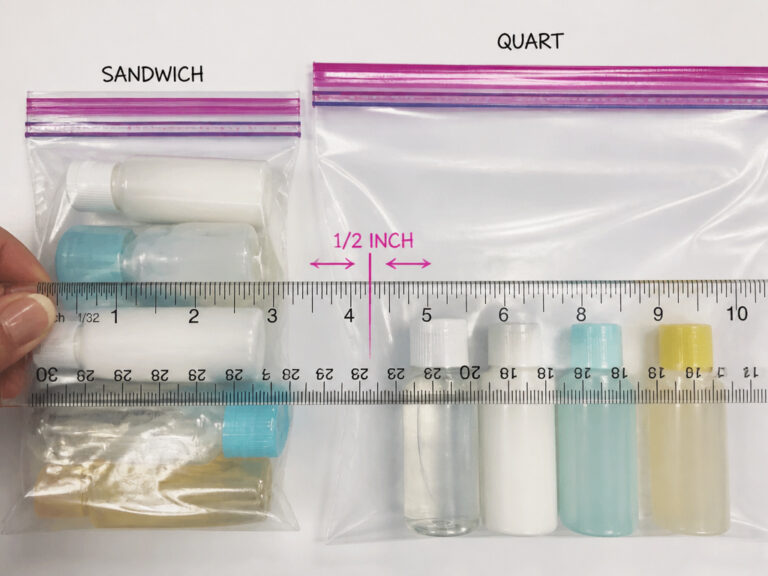
A sandwich bag is not a quart size bag. Learn the exact dimensions, why the TSA rejects them, and the best reusable alternatives for food and travel.
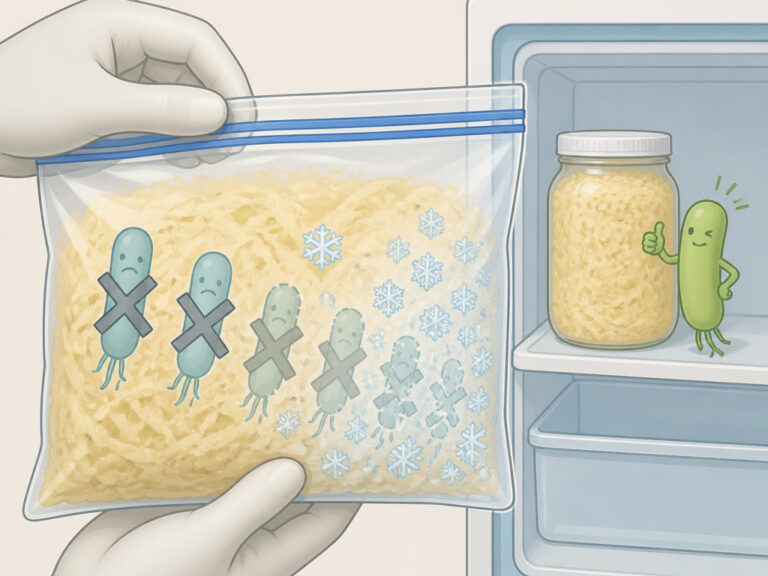
Learn how to freeze sauerkraut in a bag to preserve it for up to a year, what happens to probiotics, and the exact steps to prevent soggy, flavorless results.
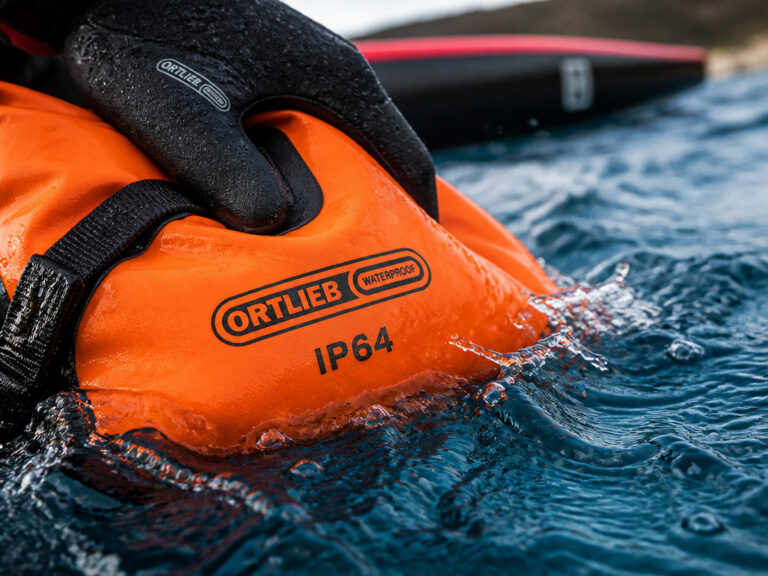
A dry bag is a waterproof sack that keeps gear dry via its fabric, seams, and roll-top seal. Understand how they work and what IP ratings mean for your protection.
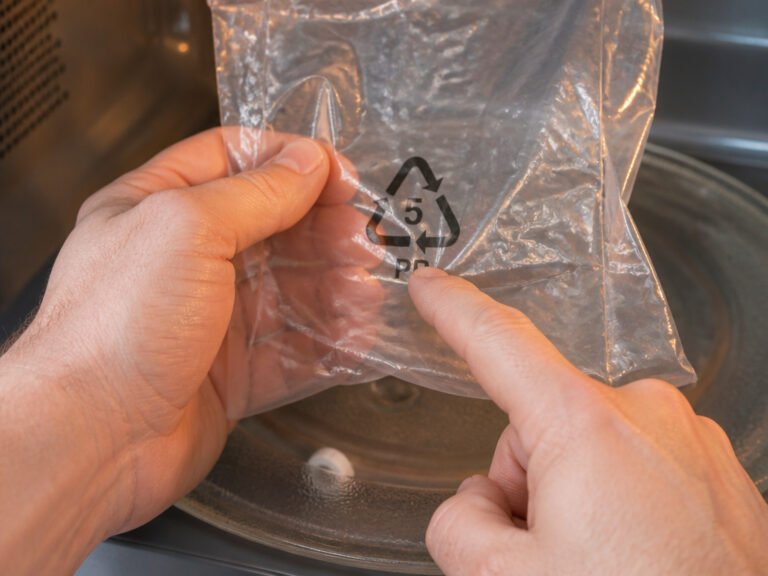
Putting a plastic bag in the microwave is risky. Find out which bags are safe, how to check, and the three-step test to avoid melting or fire.

No, freezer paper and wax paper are not the same. Learn the critical difference in their coatings and why using the wrong one ruins food.
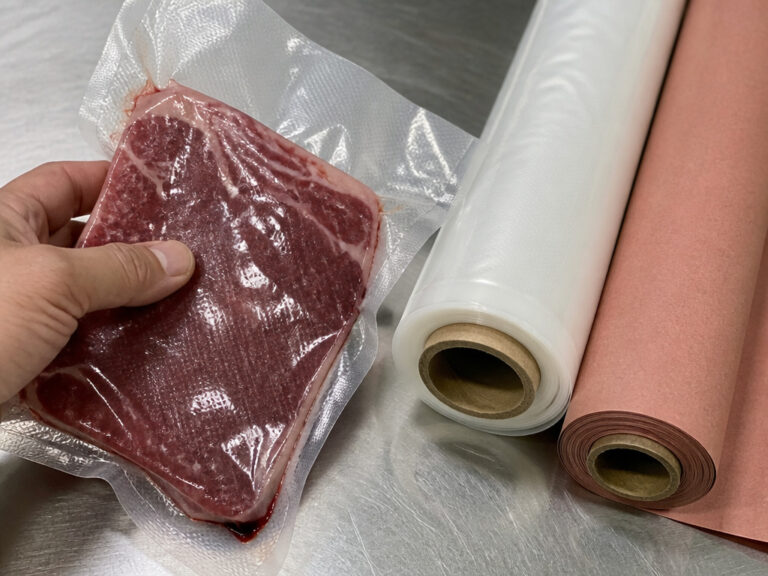
Discover if butcher paper is the same as freezer paper. Freezer paper has a wax coating for freezing meat effectively. Learn the proper uses for each today.
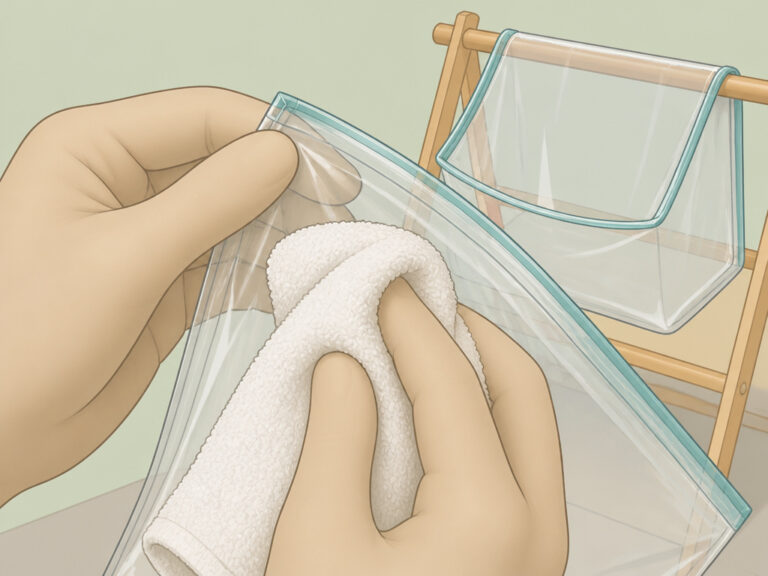
Properly store reusable plastic bags to keep your groceries safe. Our guide covers official cleaning steps and reveals common storage mistakes. Learn more here!
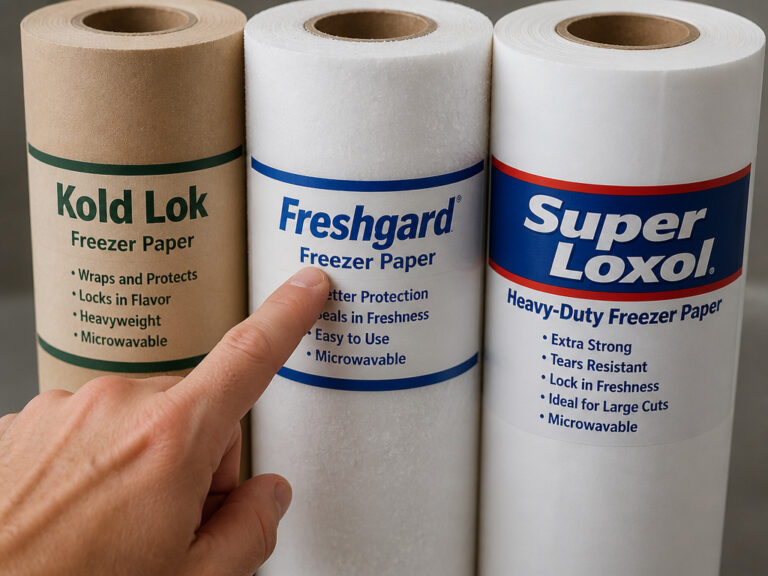
Find out what freezer paper is and how its special coating creates an airtight seal plastic wrap can’t. Get our guide to freezing food perfectly for longer.