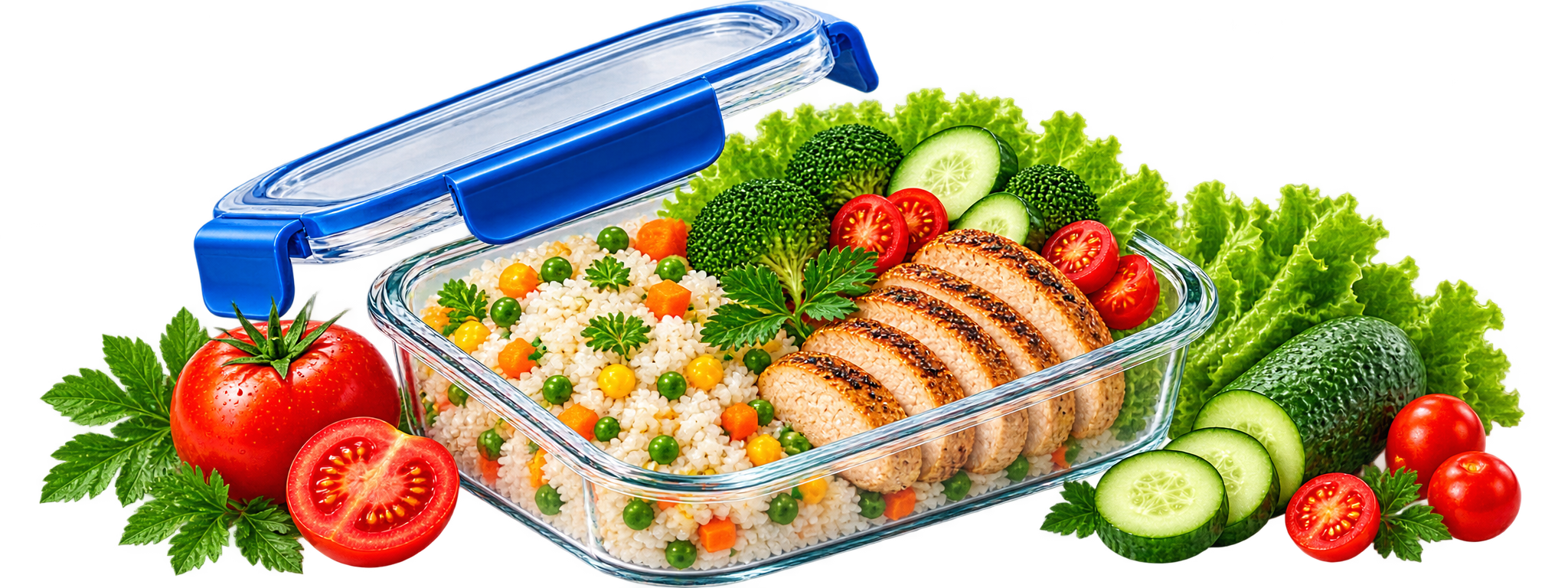
Where Must You Store Potentially Hazardous Food? Key Rules
Learn where to store potentially hazardous food to prevent contamination and spoilage. We cover the 41°F rule, critical storage heights, and exceptions for salad bars.
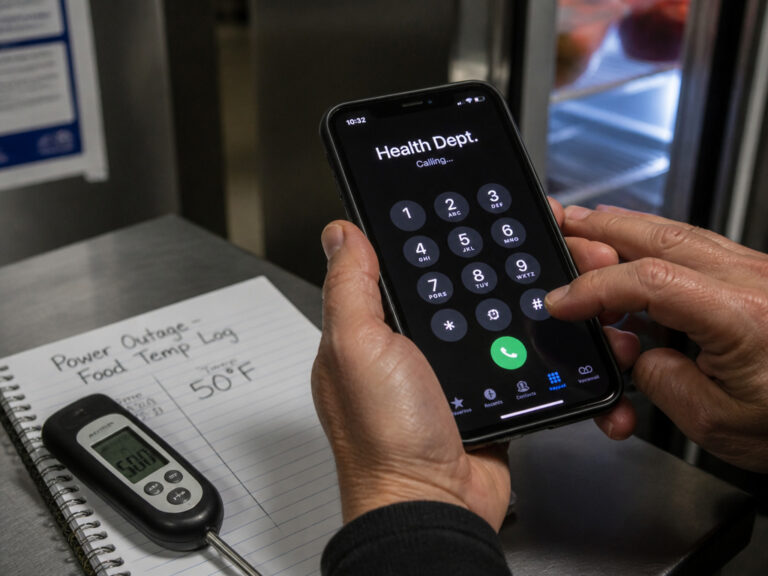
Learn where to store potentially hazardous food to prevent contamination and spoilage. We cover the 41°F rule, critical storage heights, and exceptions for salad bars.
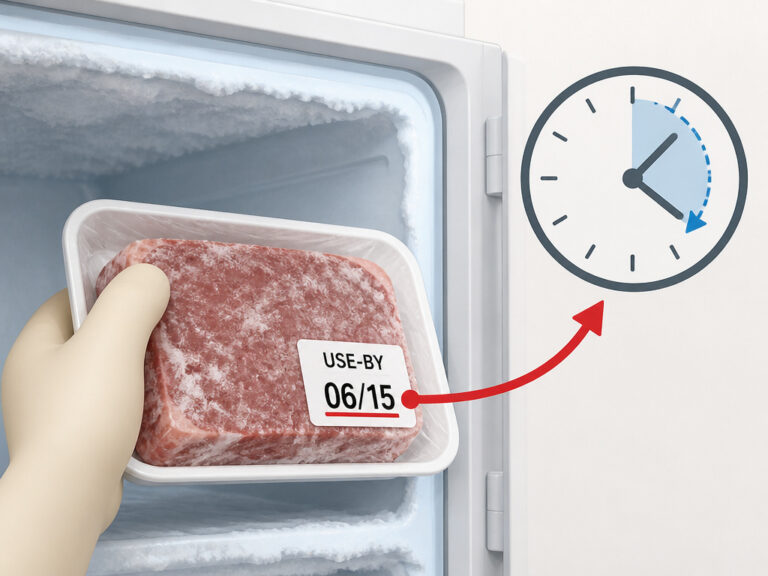
Freezers inhibit bacteria via sub-lethal damage, not killing. Uncover the precise temperatures, timelines, and vital safety steps. Read our expert guide now.
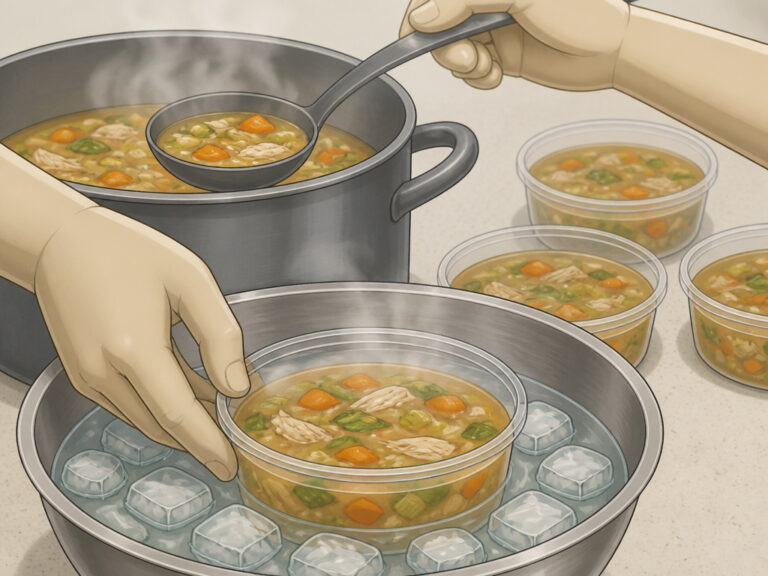
Yes, you can store hot food in the refrigerator, but you must do it within 2 hours. Learn the safe method to cool food quickly and avoid spoilage or appliance strain.
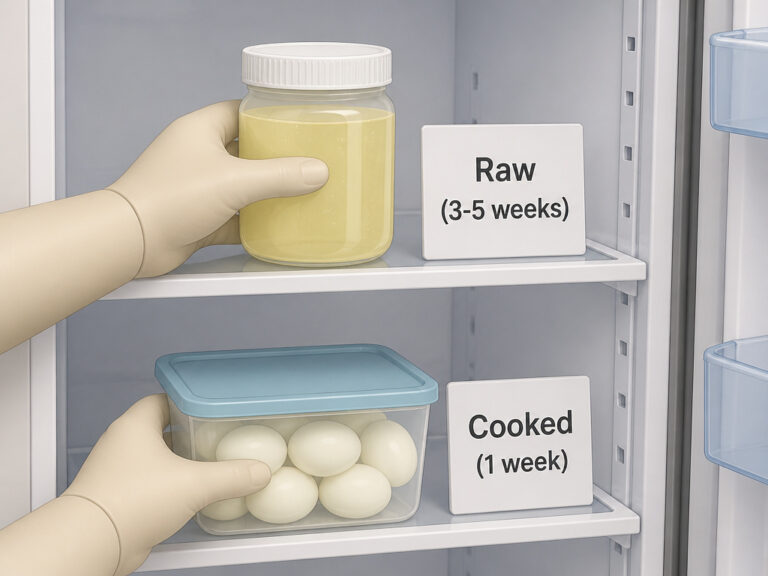
Learn how to store eggs correctly—from temperature to placement—to maximize freshness and safety. Follow these proven guidelines to avoid common mistakes.
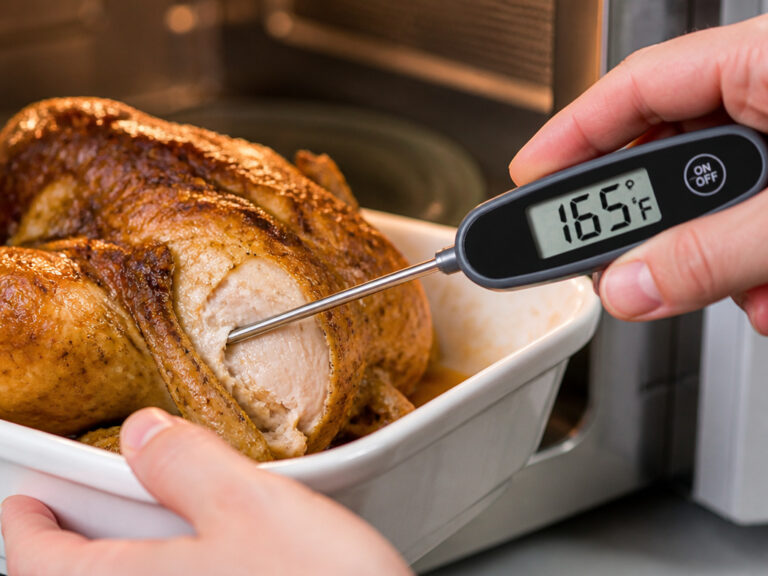
Learn how to store rotisserie chicken safely. This guide covers USDA refrigerator and freezer timelines, proper reheating, and common mistakes to avoid.
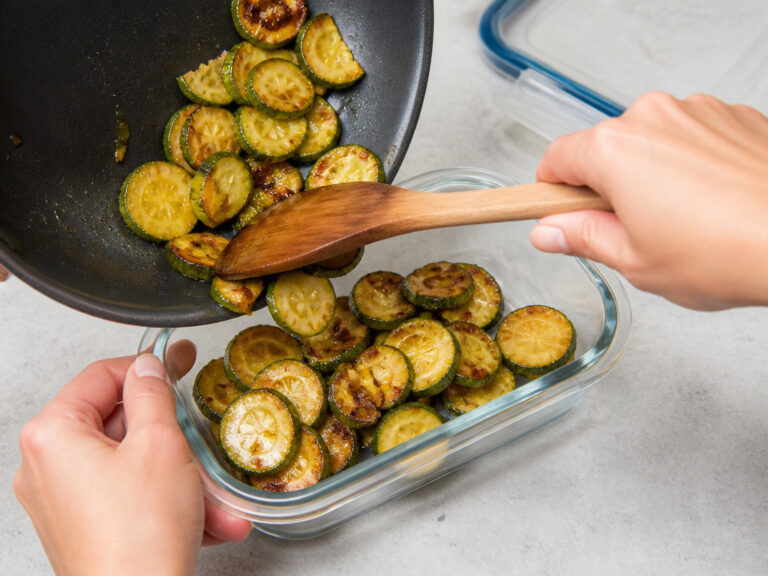
Keep your zucchini crisp! Learn how to store zucchini in the fridge, whether whole, cut, or cooked, with our fail-safe instructions. Get the best results now!
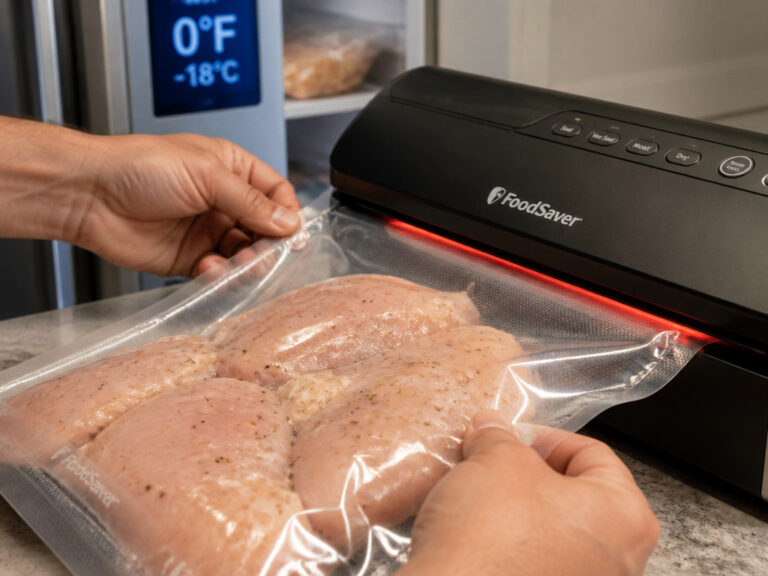
Learn how to store raw chicken safely in the fridge and freezer. Get the USDA & Texas A&M timelines, plus the cross-contamination fix most people miss.
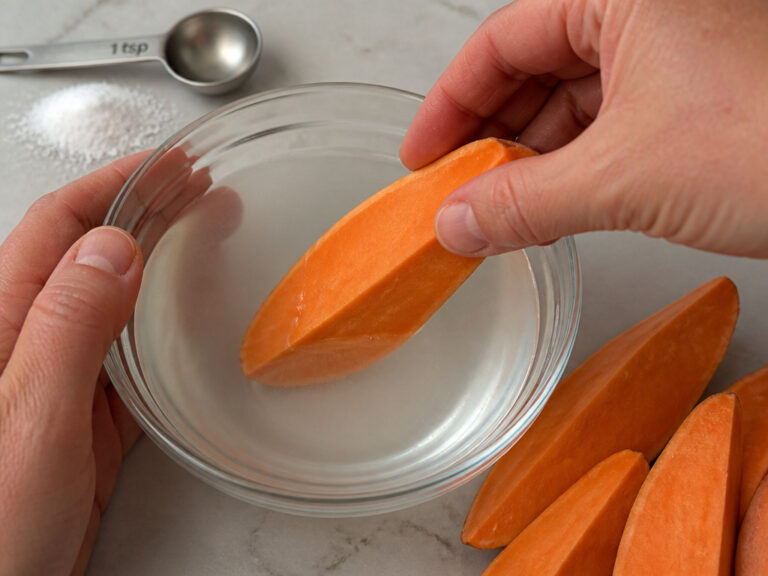
Master how to store cut sweet potatoes to prevent spoilage. We cover citric acid tricks, container choice, and ideal temperatures. Save your food and learn more!
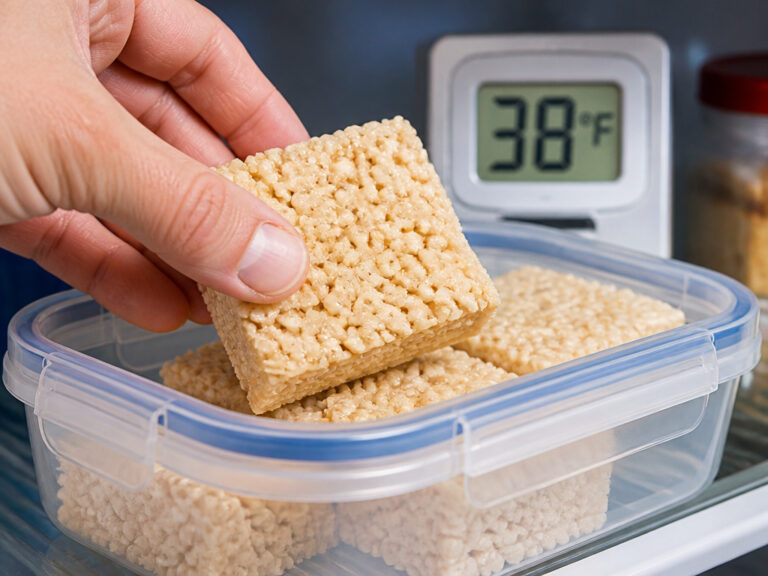
Learn how to store Rice Krispie squares to keep them chewy. We cover room temp, fridge, and freezer options, plus the humidity mistake that makes them soggy.
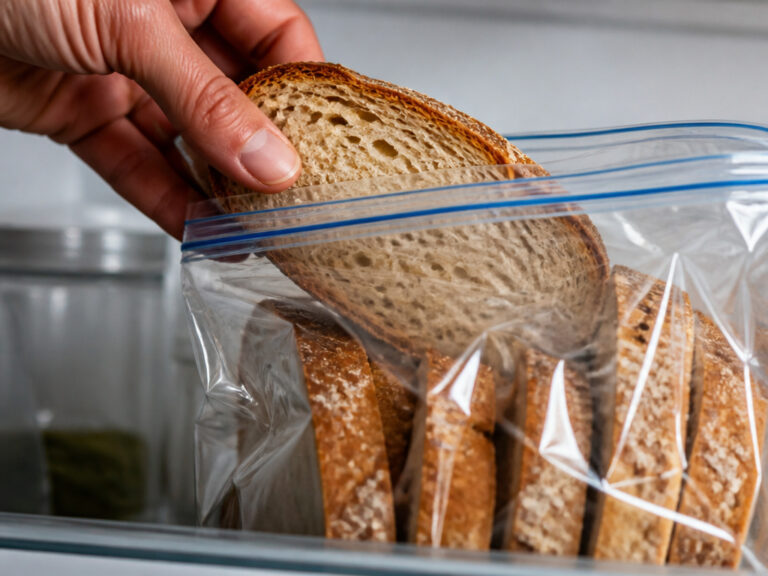
Learn how to store sour dough bread correctly to prevent mold and staling. Our guide covers room temperature, freezing, and the one method that doubles shelf life.